Key Advantages
Exceptional corrosion resistance—stable in acidic, alkaline, and high-temperature electrolysis environments.
High conductivity and dimensional stability ensure long service life in electrochemical systems.
Uniform iridium coating—optimized adhesion and surface activation for efficient current distribution.
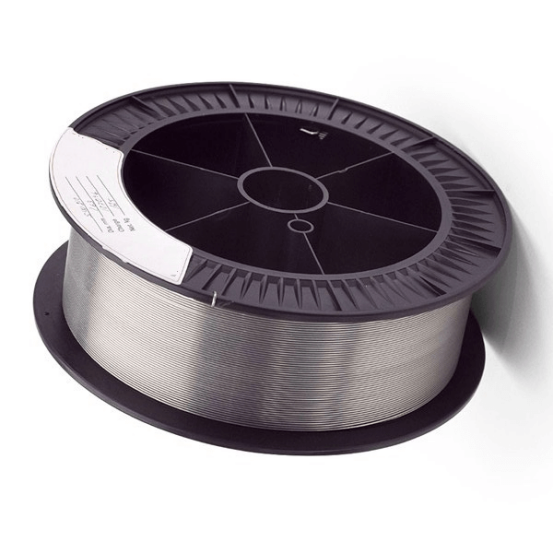
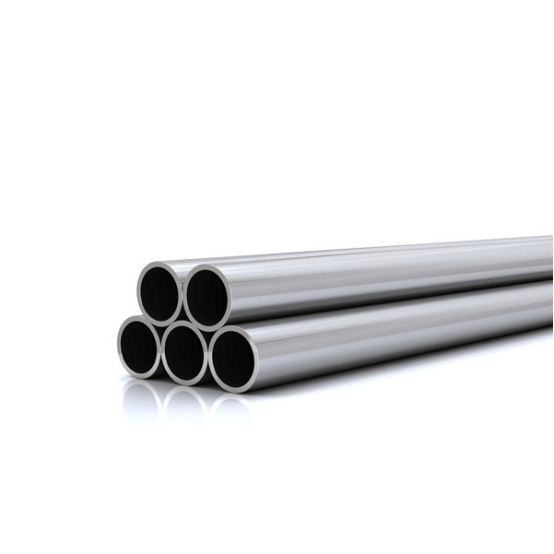
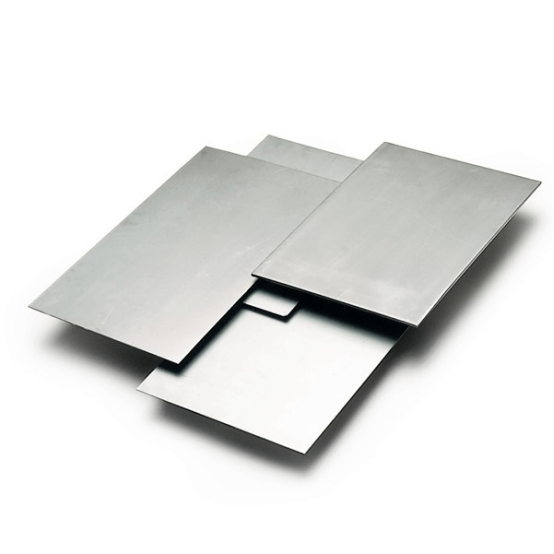
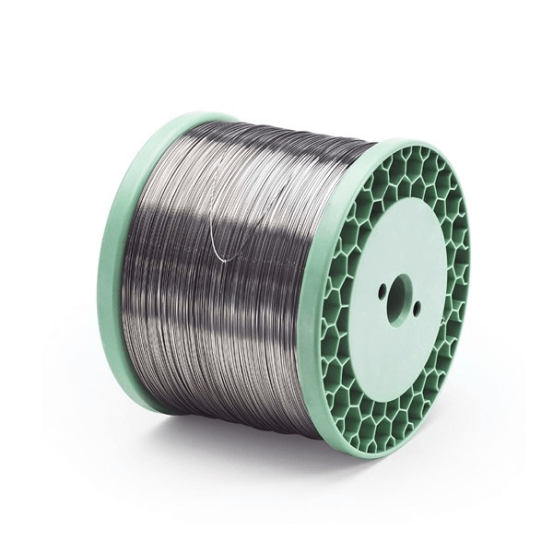
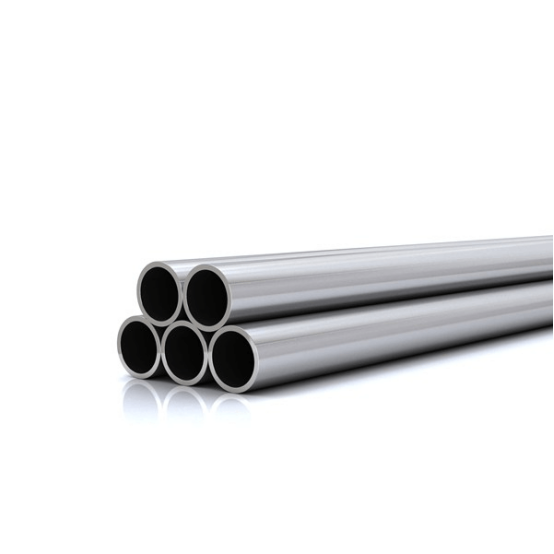
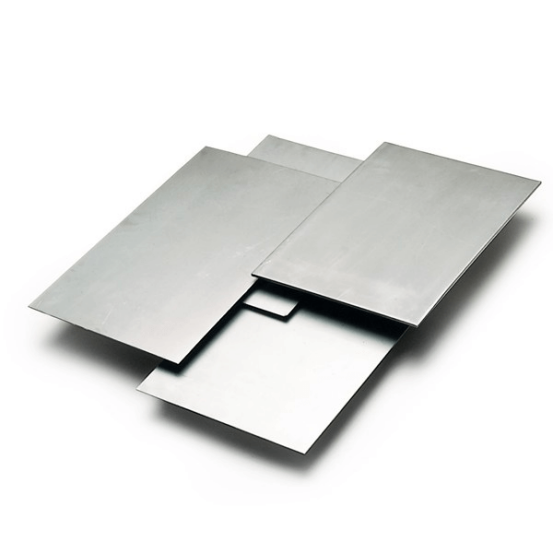
Custom shapes (titanium mesh, titanium plate, titanium rod, or titanium wire substrate) and coating thicknesses to fit specific electrolytic processes.
Primary Applications
Chlor-alkali industry: anodes for NaCl electrolysis (chlorine and sodium hydroxide production).
Water treatment: advanced oxidation and electrolysis systems for industrial and municipal wastewater.
Electroplating: precious-metal and semiconductor baths requiring high corrosion resistance.
Hydrogen and oxygen generation: anodes for PEM/alkaline electrolyzers, often evaluated together with MMO anodes depending on operating conditions.
Testing (typical)
Surface coating thickness and adhesion test.
Accelerated life testing in simulated electrolytic conditions.
Corrosion and passivation behavior analysis.
Electrical conductivity and coating uniformity inspection.
Packaging & Delivery
Vacuum-sealed or moisture-protected packaging to prevent surface oxidation.
Wooden/plywood cases for international shipment.
Labeling includes substrate material, coating thickness, batch/lot number, and dimensions.
Global express or sea freight; lead times aligned with customer schedules.
If conductive busbars are required, we also supply titanium clad copper for high-current electrochemical systems.
Send your specifications (grade, size, quantity) — quotation and lead time within 12 hours. Trial orders with flexible MOQ are supported for evaluation and qualification. All materials are supplied with EN 10204 3.1 MTC and full inspection documentation for export compliance.
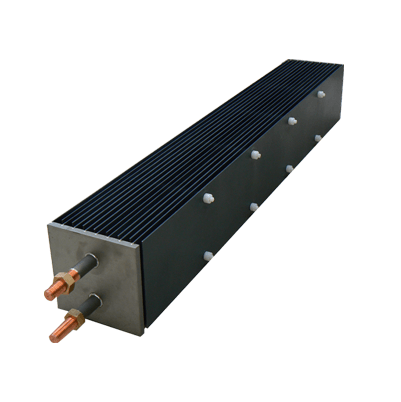
LuminaTitan supplies high-performance iridium anodes designed for extreme electrochemical environments. Each anode combines a precision titanium substrate with a stable iridium oxide (IrO₂) coating, providing excellent catalytic activity, corrosion resistance, and electrical efficiency. For operations requiring mixed-oxide systems, our ruthenium anodes offer alternative activation characteristics. Applications span from industrial electrolysis and chlor-alkali production to wastewater treatment and green hydrogen systems.
| Parameter | Details | Why It Works for You |
|---|---|---|
| Substrate | titanium plate (Gr1 / Gr2) | Provides high corrosion resistance and stable base for IrO₂ coating. |
| Coating Material | Iridium oxide (IrO₂), optional mixed RuO₂/IrO₂ | Delivers catalytic activity and long service life. |
| Coating Thickness | 1–10 μm typical | Optimized for durability and electrochemical efficiency. |
| Shape Options | Plate, mesh, rod, wire, or custom design | Adapts to diverse electrolytic applications. |
| Operating Temperature | Up to 80–90°C continuous | Stable under prolonged electrolytic operation. |
| Current Density | ≤ 5000 A/m² (customizable) | Ensures consistent performance and energy efficiency. |
| Standard | ASTM B265 (substrate), ISO 9001 production control | Meets global industrial quality standards. |
• Specify substrate grade (Gr1 / Gr2) and coating type (IrO₂ or mixed oxide).
• Define shape, dimensions, and coating thickness.
• Provide operating current density and electrolyte type (acidic / alkaline / neutral).
• Include required lifetime or testing parameters.
• Indicate documentation needs (MTC 3.1, coating certificate, RoHS/REACH compliance).
Copyright © Luminatitan Co., Ltd. All rights reserved